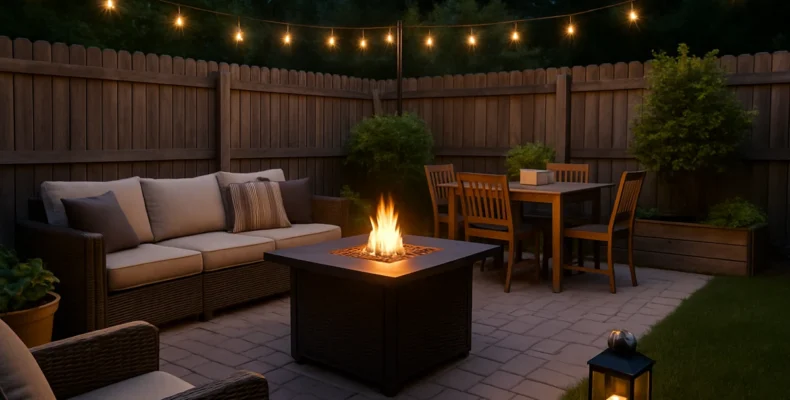
Australian homeowners spend around $12,000 on average renovating their backyards, yet many of them admit they barely use the outdoor space afterwards. As expected, most people blame the budget or the size of their yard.
But in reality, they often lack a comfortable place to sit, shade from the harsh sun, or anything that makes their morning coffee enjoyable for more than five minutes. Without these basics, even the nicest-looking backyard just becomes another chore to maintain.
In this article, we’ll cover the practical steps to change your bare backyard to an outdoor living space you’ll use year-round. We’ll start with measuring what you have, then move through patios, furniture, weather protection, and budget-friendly ideas that would be sensible.
So, let’s build an impressive backyard that’s also practical.
Why Your Backyard Feels Empty
Most backyards feel empty because they lack the basics like somewhere to sit comfortably, protection from the weather, and a reason to go outside.
Look, nobody’s going to spend time somewhere that feels nothing more than a chore. You only end up watering the garden or checking if the bins need moving.
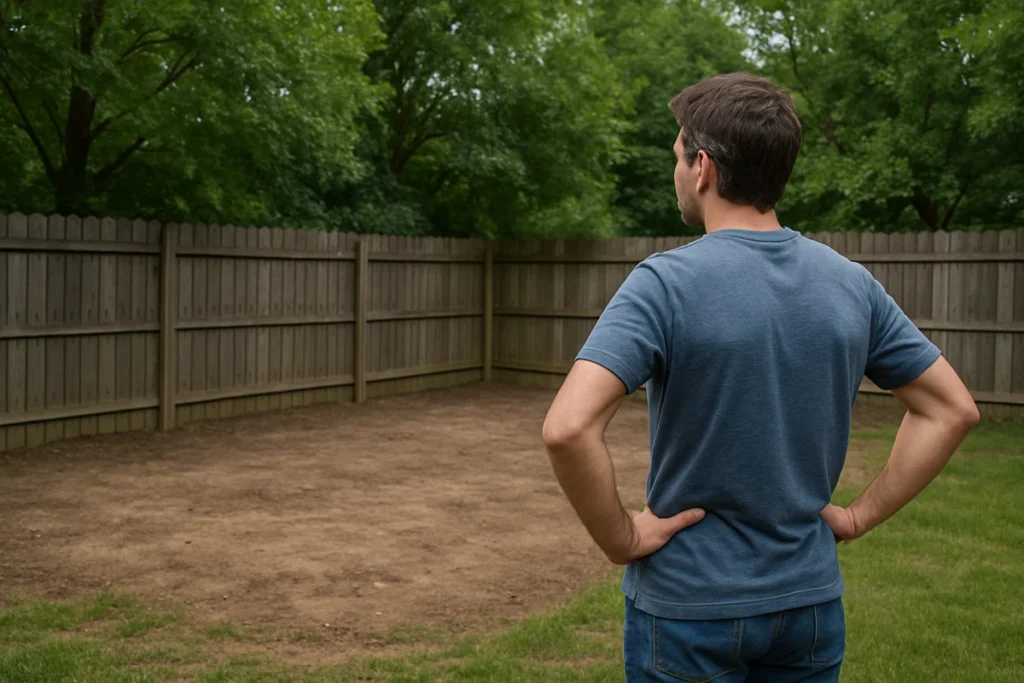
Without a clear purpose, like eating breakfast, reading, or having friends over, your backyard becomes useless. What it needs can be something like these:
- A shaded spot for morning coffee
- Comfortable seating where you can relax (without your back hurting)
- Protection from the afternoon sun or wind.
When these functional pieces are missing, even a beautifully planted garden won’t get you outside more often (and touching grass doesn’t feel delightful anymore).
Measure Your Space Before You Start
Ever bought outdoor furniture that looked perfect online but didn’t fit your space? Yes, we all have restraint issues sometimes. But you can prevent that by measuring.
Knowing exact measurements prevents expensive mistakes when you’re ordering furniture, pavers, or outdoor blinds later. So, grab a tape measure and sketch the dimensions, including any slopes, trees, or odd corners you’re dealing with.
We suggest standing at various spots in your backyard and noting where the site feels cramped or where you have room to spread out.
Here are some things you need to consider while measuring your backyard.
Where the Sun, Shade, and Wind Hit
It’s a great idea to watch where the sun lands during morning and afternoon to figure out where you’ll need shade protection. That’ll save you from squinting through lunch just because you didn’t plan for the western sun.
Similarly, windy spots need windbreaks or outdoor blinds, while sun-baked areas become unusable without shade sails or a roof overhead. Which is why you should spend an hour tracking these patterns. That can save you from getting roasted every summer afternoon or watching your furniture blow around during storms.
Get Drainage Right From the Start
Check where water pools after rain because building a patio over bad drainage can create flooding and maintenance headaches later. Plus, still water breeds mosquitoes within 72 hours during summer, which makes your yard miserable to enjoy.
Based on our experience, sloped yards need retaining walls or terracing, and flat spaces might need drainage solutions before you lay anything down. If rain turns your space into a swamp, fix that before you spend money on anything else.
Pro Tip: Take photos from different angles so you can plan these measurements without walking back outside every five minutes.
Decide the Purpose of Your Outdoor Space
The best part about planning your outdoor area beforehand is that you stop wasting money on things you’ll never use. Before you start, think about what you really want: a spot to eat breakfast, entertain friends, or enjoy some quiet reading time.
Your priorities influence whether you need outdoor blinds for privacy or weather protection. Think about who uses the space most. To give you an idea, family members grabbing morning coffee need something different from homeowners who host weekend barbecues.
Similarly, families with young children often need open lawns and durable surfaces where spills and rough play won’t wreck everything. On the other hand, entertainers want comfortable seating and enough room for guests to move around without bumping into each other.
So work out what’s more important to you before you spend a dollar, and the outdoor living setup is already half done.
Laying Down a Patio or Hard Surface
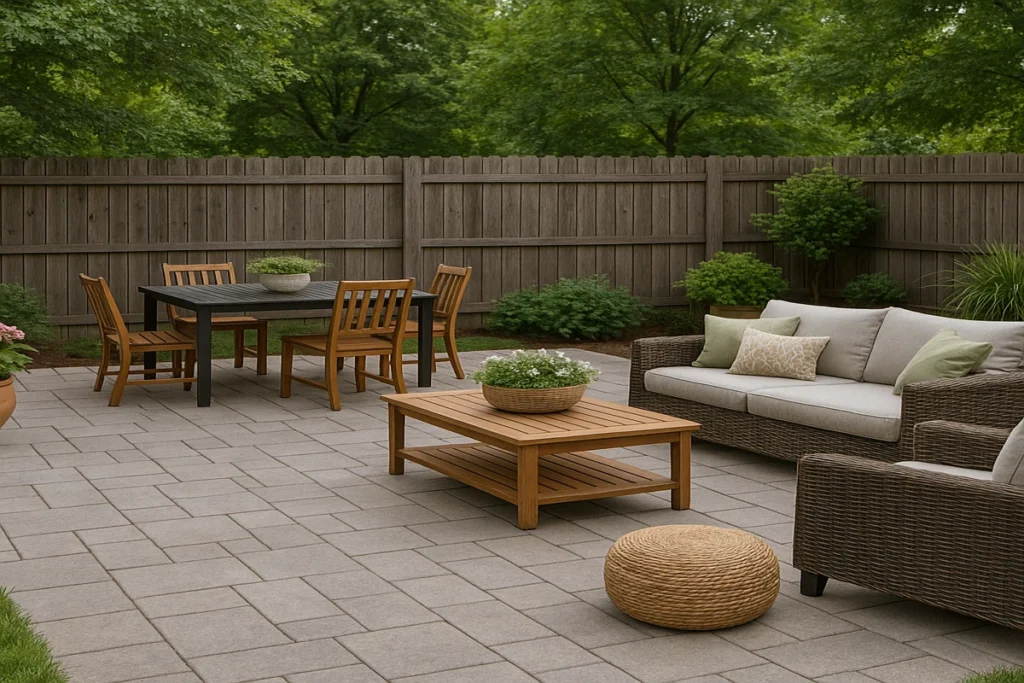
A patio or hard surface is the fastest way to make your backyard usable in any weather. Unlike muddy summer-only grass, it gives you reliable, usable ground all year.
You can position your patio near the house for easy access, or tuck it into a sunny corner for a separate retreat.
Things to keep in mind before building a patio:
Best Materials Without Blowing Your Budget
Here’s a one-line tip: concrete is cost-effective and lasts forever, pavers give you design flexibility, and timber adds warmth but needs regular maintenance to prevent rot.
Being penny-wise with your patio base means you’ll have to pay double when it cracks and moves within a few years. Pavers, concrete, or timber decking each suit different budgets, garden style preferences, and how much upkeep you’ll tolerate.
Our investigation across coastal builds showed that permeable pavers prevent flooding better than solid concrete in Paddington’s older drainage systems.
Among other options, gravel or decomposed granite works for tight budgets and drains well, though furniture stability becomes tricky on loose materials. These are the best materials for paths or garden borders rather than main seating areas, where you want a solid footing.
Plan a Yard That’s Narrow in Width
Long, thin yards can look better with zones running front to back rather than trying to widen the space visually with awkward furniture arrangements. A narrow backyard needs efficient planning to avoid feeling like a corridor.
One idea can be built-in seating along fences. It saves floor space compared to bulky outdoor furniture that cramps narrow lot areas. You also get more room to move while still having places for people to sit comfortably.
Cost-Effective Outdoor Furniture
You’ve probably seen outdoor furniture turned rusty or mouldy after one winter. But the tricky part is, durable materials don’t always stay sturdy across different climates. And then, cheap furniture falls apart after one season.
So you need to invest in weather-resistant materials like hardwood, powder-coated metal, or quality wicker that’s actually designed for year-round use. Weatherproof furniture costs more initially but saves you from replacing everything annually.
Take a look at these suggestions:
- Modular Seating: This type of seating lets you rearrange for different occasions without buying entirely new pieces every time you entertain guests
- Weatherproof furniture: Try weatherproof furniture with removable cushions, which gives you flexibility. You can also store the soft bits during colder months and leave the frames outside.
- Outdoor Fabric: Cushions and throws make hard surfaces comfortable, but you need to store them indoors. To avoid this, you can get outdoor-grade fabric that handles rain without growing mildew.
With the right materials and a simple upkeep routine, your outdoor space stays looking good year after year. So invest a little attention now, and you’ll save yourself the cost and hassle of constant replacements later.
Simple Backyard Transformation Ideas for More Comfort
A few easy additions can make your ordinary outdoor area become a space you’d want to use in every season. It can add warmth for winter, block harsh weather, or create shade that makes summer bearable.
These ideas help you get more out of your backyard without a full renovation.
Add Heat So You Can Use It in Winter
Fire pits and outdoor heaters can extend your outdoor area season beyond summer months into the colder months when most people head indoors.
For instance, wall-mounted heaters work well in covered areas where heat stays contained, while freestanding gas heaters suit open spaces that need flexible warmth. Even a simple fire pit creates enough heat for four people to stay warm and relaxed on winter nights.
Blocking Wind and Sun With Outdoor Blinds
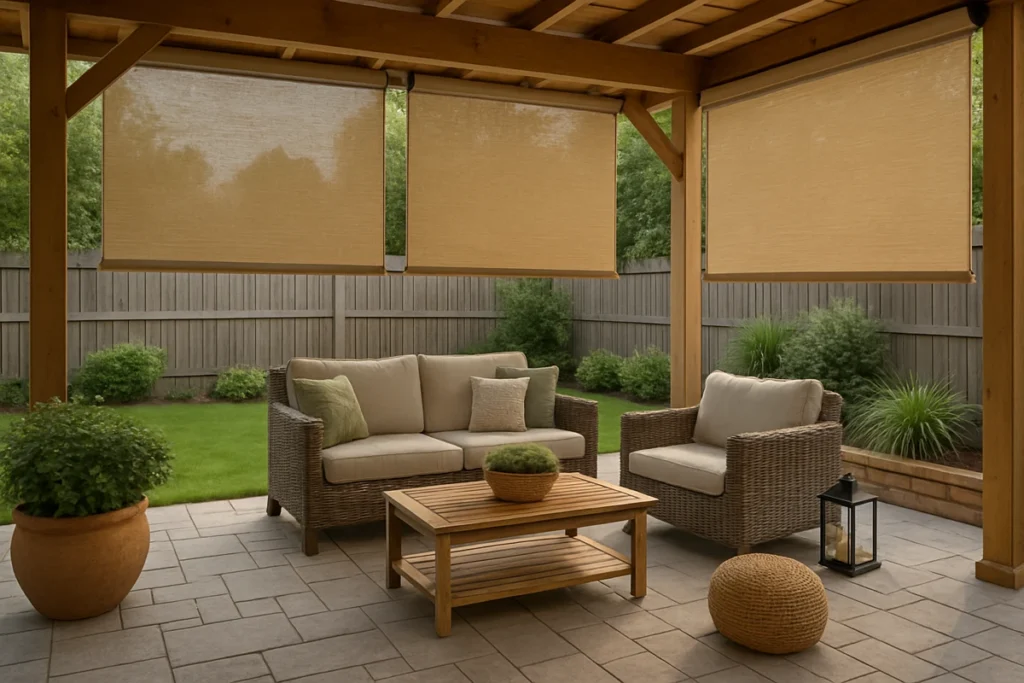
Outdoor blinds are the easiest way to turn a half-useful patio into a protected outdoor room you can use when it’s windy or raining. They add privacy from neighbours, filter harsh afternoon sun, and keep your outdoor area cooler during scorching days.
After working on properties from Mosman to Randwick, we’ve found mesh blinds handle Sydney’s easterly winds without blocking harbour views.
One thing to keep in mind is that custom blinds fit awkward spaces better than off-the-shelf options. Especially if you’ve got odd angles or a narrow lot that standard sizes won’t cover properly.
Shade Sails vs Permanent Roofing
Shade sails cost less and look modern, but permanent roofing adds home value and better weather protection when wind and rain come through. Each option suits different outdoor space needs, depending on your budget and how you plan to use the area.
If you have open lawns or pool areas where you want filtered light instead of total coverage, we recommend going for sails. They’re one of the features that can change a sunny yard into somewhere you can relax during summer without getting cooked.
Budget-Friendly Design Considerations
Most homeowners overspend on their first backyard project by jumping into everything at once instead of building gradually. But the truth is, that’s exactly how renovations fail.
Here are some tips for your budget backyard:
- Begin Small: Start with one functional zone, like a small patio and seating, then add features gradually as budget allows, instead of financing everything from the start.
- DIY Projects: DIY projects like painting old furniture or building simple planter boxes stretch your dollars further than hiring everything out to contractors
- Second-Hand Furniture: You can use second-hand outdoor furniture from Facebook Marketplace or Gumtree. They often just need a clean and some weatherproof cushions to look brand new.
Pro Tip: Focus your money on the one thing that annoys you most. It could be the lack of shade or terrible drainage. Whatever it is, begin with fixing that properly before moving to other items on your wish list.
Pick One Garden Style and Get Started
A lot of people wait for the perfect plan and end up doing nothing for years while their outdoor space sits empty. You can focus on smart planning and adding functional elements like seating and lighting, and that’ll create an inviting outdoor area that fits your lifestyle.
With a bit of creativity and care, your backyard can become an extension of your home where memories are made. You’ll see how each functional addition will make you want to spend more time outside, and show you what needs work next.
At Bell Phillips Outdoor, we help Sydney and Northern Beaches homeowners create outdoor living spaces. So, visit us if you need more information on renovating your backyard.