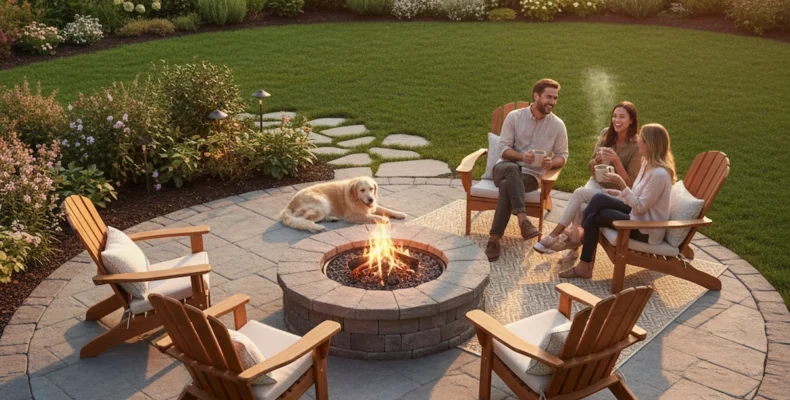
A backyard renovation can be a breath of fresh air for your home and your lifestyle. If you do it right, it will give your family more room to live, entertain, and unwind all within the comfort of your own property. But if you fail, it will drain your budget before the best ideas even make it off the drawing board.
The problem is that most homeowners dive straight in without a clear picture of what the space needs or what it will realistically cost. They don’t even have a plan or any real sense of what the space needs first.
That’s exactly what this guide is here to fix. You’ll walk away knowing exactly where to spend, what to skip, and how to avoid the mistakes that cost the most. So keep reading.
Outdoor Renovation on a Budget: Where Do You Actually Start?
Most people begin with ideas: Pinterest boards, Instagram saves, a rough number in their head. And honestly, that’s fine. But ideas without a plan are how budgets disappear before the first slab gets laid.

These two things drive every good renovation: understanding the space and getting the numbers right.
1. Read Your Outdoor Space Before You Read Any Quotes
Before you call a single contractor, walk your yard (not a quick glance; actually walk it). It sounds obvious, but it’s the step most people skip. Miss it, and you’ll end up with quotes that don’t reflect your actual site, layouts that fight your drainage, or structures placed in completely the wrong spots.
A good starting point is to check:
- Where the sun hits and which side stays shaded
- Where the ground slopes
- Where water tends to pool after rain
- Which areas carry the heaviest foot traffic
These things sound small, but they’re not. They decide layout, drainage, and your structure placement (and a lot more besides). Miss them, and every quote you receive will reflect assumptions, not your actual site conditions.
From there, take measurements of each dimension and locate where utilities like power and water access points sit. A clear read of what your property already has in place tells you which features are worth keeping, so you avoid paying to remove things you never needed to touch.
How to Set a Landscaping Budget You Won’t Regret
At first, split your landscaping budget into clear priority tiers. You need to decide what the project requires right now, what fits into a later phase, and what is wishful thinking at this stage.
This table breaks it down:
| Area | Spend Now | Hold Back |
| Drainage & grading | Always | Never skip |
| Paving & pathways | Yes | Avoid cheap materials |
| Pergola & shade | If needed | Elaborate features |
| Pool | Plan ahead | Rush decisions |
| Outdoor kitchen | Stage it | Full fit-out upfront |
| Soft landscaping | Basics first | Exotic plants early |
Once your tiers are sorted, map out the full scope of your construction phase and get accurate figures for each stage. Also add a 10–15% contingency buffer to your totals (the contingency line is the one most homeowners quietly delete first). Things like hitting rock during excavation or having to shift a drainage line can push costs further.
Now that you’ve assessed your yard and structured your budget, the next question is where that money goes.
Outdoor Design Ideas That Are Worth the Money
The best design ideas are the ones that keep looking great and keep performing long after the renovation crew has packed up. From what we’ve seen across dozens of backyard projects, the features that deliver the most are rarely the flashiest ones on Pinterest.
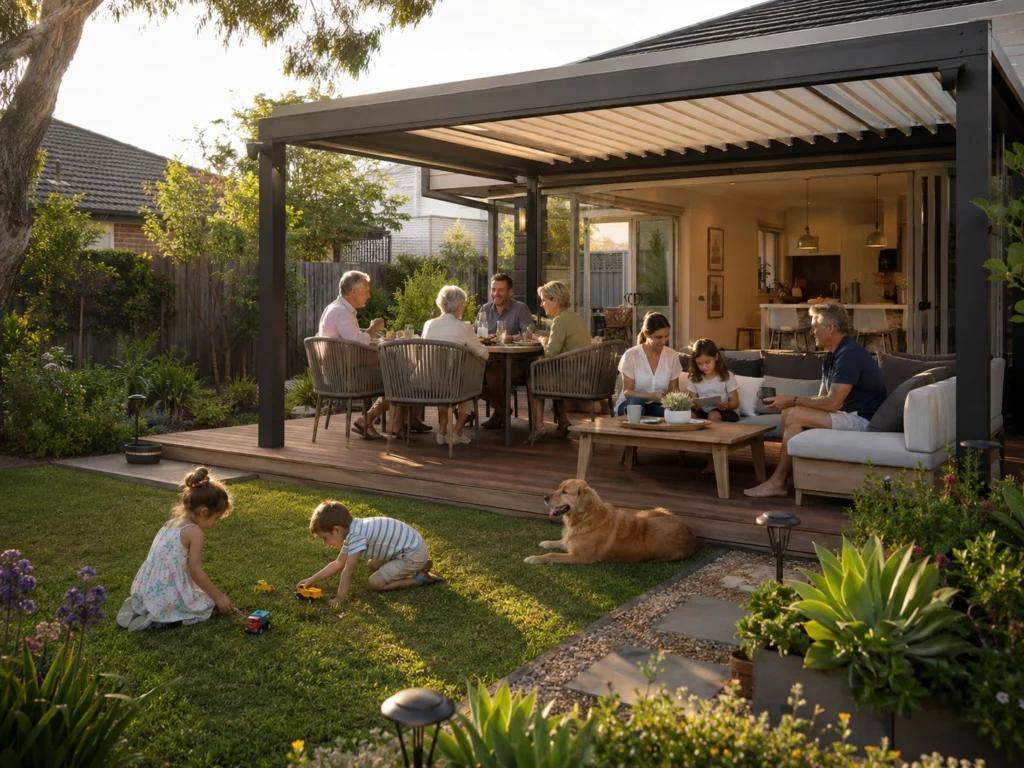
These are the ideas that pay off:
- Hardscaping First: Paving, retaining walls, and pathways are the backbone of any solid backyard. They handle the structural heavy lifting, and well-laid hardscaping pulls the entire area together without needing much else around it.
- Decking Done Right: Play around with styles, colours, and layouts before you commit to anything. A well-built deck creates a natural extension of your home’s living area, and your family will end up using it more than any other spot on the property.
- Pergolas and Shade Structures: Summer in Australia has a way of reminding you that shade matters. A pergola gives your yard a defined zone for entertaining and adds architectural interest that carries the whole design forward.
- Water Features and Pool Planning: A pool is a big investment. So position it carefully and think about how it connects to the surrounding landscaping rather than dropping it in as an afterthought. Smaller water features create atmosphere at a fraction of the cost.
- Native Planting and Garden Design: Native plants bring a fresh, relaxed feel to any garden while reducing ongoing landscaping costs over time. They also blend into the space in a way that exotic species simply don’t.
All of these work best when chosen around your specific lifestyle and yard. You can also explore outdoor living trends shaping backyard design in NSW right now, especially if you’re still gathering inspiration for your own project.
Dream Backyard Goals vs. Real-World Budget Mistakes
When you’re deep in the planning stage, it’s easy to jump straight into the fun stuff. But the gap between a dream yard and what the budget can handle is wider than it looks.
We’ve worked with homeowners who put a pool in from scratch, only to find the upkeep costs eating into the family budget month after month. That’s the wake-up call that hits hardest when the bills arrive. They factored in the upfront cost but never accounted for the expenses that followed.
The same thing happens when you pour the budget into the wrong feature altogether. Every renovation has a point where the money runs out. Spend the bulk of it on a large timber deck or a built-in BBQ, and you leave nothing for everything else. They ended up with a beautifully built deck sitting in a bare, ungraded yard, stripped of shade, planting, and any real sense of a finished space.
There’s a better way to approach it, though. Treat each part of the renovation as a piece of a bigger picture. A pergola built without considering sun direction, for instance, will end up providing shade at the wrong time of day. That’s just money sitting in the wrong spot.
Your family’s day-to-day use of the yard also plays a big role. A design that works beautifully on paper but doesn’t suit how you live in the space will keep frustrating you long after the build wraps up.
And when you get that balance right, every dollar you put in starts pulling its weight.
Outdoor Kitchen and Landscape Design: Where to Spend and Where to Hold Back
Want to know where renovation budgets either pay off or fall apart? Outdoor kitchens and landscape design are usually the answer. Making rushed calls in either area is where renovation stories tend to go sideways before long.
Here’s what to focus on in each one.
Planning an Outdoor Kitchen Without Blowing the Budget
Three things form a practical foundation of your outdoor kitchen: a reliable BBQ, a prep surface, and weather-resistant storage. Once those are covered, everything else can follow at its own pace.
Positioning is its own challenge entirely, and layout calls are among the costliest decisions to change once construction is underway. That’s why you should plan the construction around existing utilities from day one (moving a gas line two metres can cost more than the BBQ itself). And bring in experienced designers early if you’re not sure, because repositioning anything after construction starts gets expensive quickly.
Your material choices pick up where the layout leaves off. For durability against heat, moisture, and heavy use, stainless steel and stone are the two that hold up best. A good designer can adjust the finish to suit your property’s style, but the base needs to stand up to whatever Australian weather throws at it.
Landscape Design Decisions That Pay Off Long-Term
YourHome, the Australian Government’s sustainable housing resource, states that thoughtful landscape design can improve your home’s amenity, thermal performance, and overall value. That’s a strong vote of confidence for treating your garden as a serious priority rather than a secondary concern.
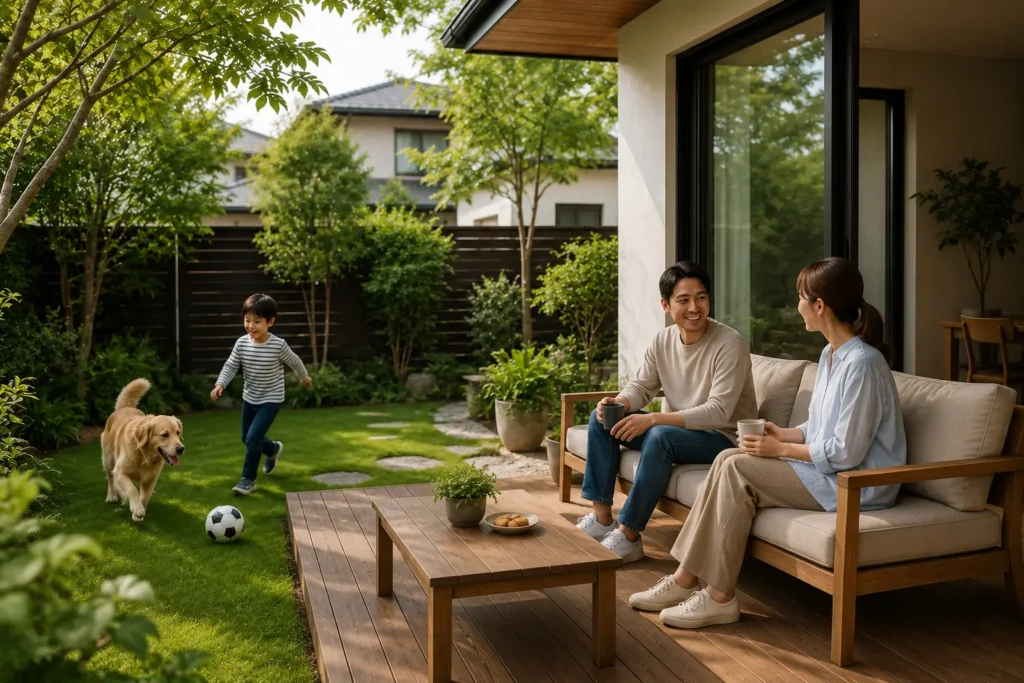
Permeable paving is a worthwhile place to start on the ground level. It manages water runoff, reduces pressure on drainage, and keeps surrounding structures in better shape as the years go on. When you pair that with quality soil preparation and a well-designed irrigation system, your garden builds its own resilience and handles dry seasons on its own terms.
The technical side is only part of it. Good landscape design works with your property, rather than around its limitations. A landscape designer can help you select sustainable plants, grade the yard properly, and lay out each area around how you actually live in the space. The result will be a garden that gets better with every season.
Ready to Renovate? Here’s How to Make Every Dollar Count
Your backyard shapes how your family lives at home more than any indoor room ever could.
A properly executed landscaping project adds function, comfort, and lasting appeal to a space used day in, day out. What separates a dream backyard from a disappointing one has nothing to do with how much you spend. It’s how clearly you planned before spending anything.
That’s exactly the kind of result Bell Phillips helps NSW homeowners achieve. We’ve helped countless customers bring their outdoor ideas to life without blowing their renovation costs.
If you’re ready to take the next step, get in touch with the Bell Phillips team today. Let’s talk about what your yard needs and where to start.