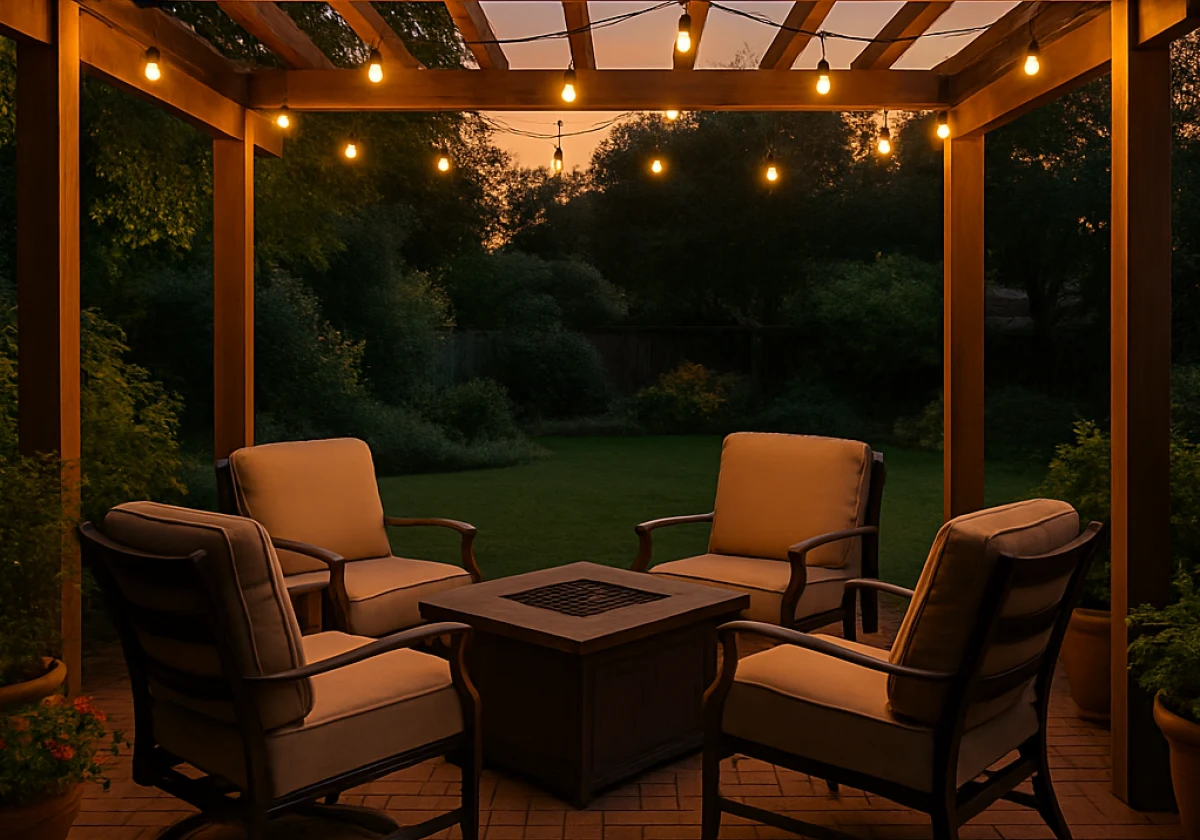
You can prepare your garden area for year-round outdoor living with shelter, warmth, lighting and weather-resistant furniture. Those four pieces work together, so a cold July evening stops being the reason everyone drifts back inside.
Most Australian backyards get used hard for about four months, then sit under a cover until spring returns. At Bell Phillips Outdoor, we see plenty of outdoor living spaces that never get used past March, and it’s rarely about budget.
This guide walks you through zoning, weather protection, heating, lighting, and the materials that hold up outside all year. Grab a cuppa, and let’s start with the layout.
Backyard Planning Basics: How Outdoor Design Structures the Space You Have
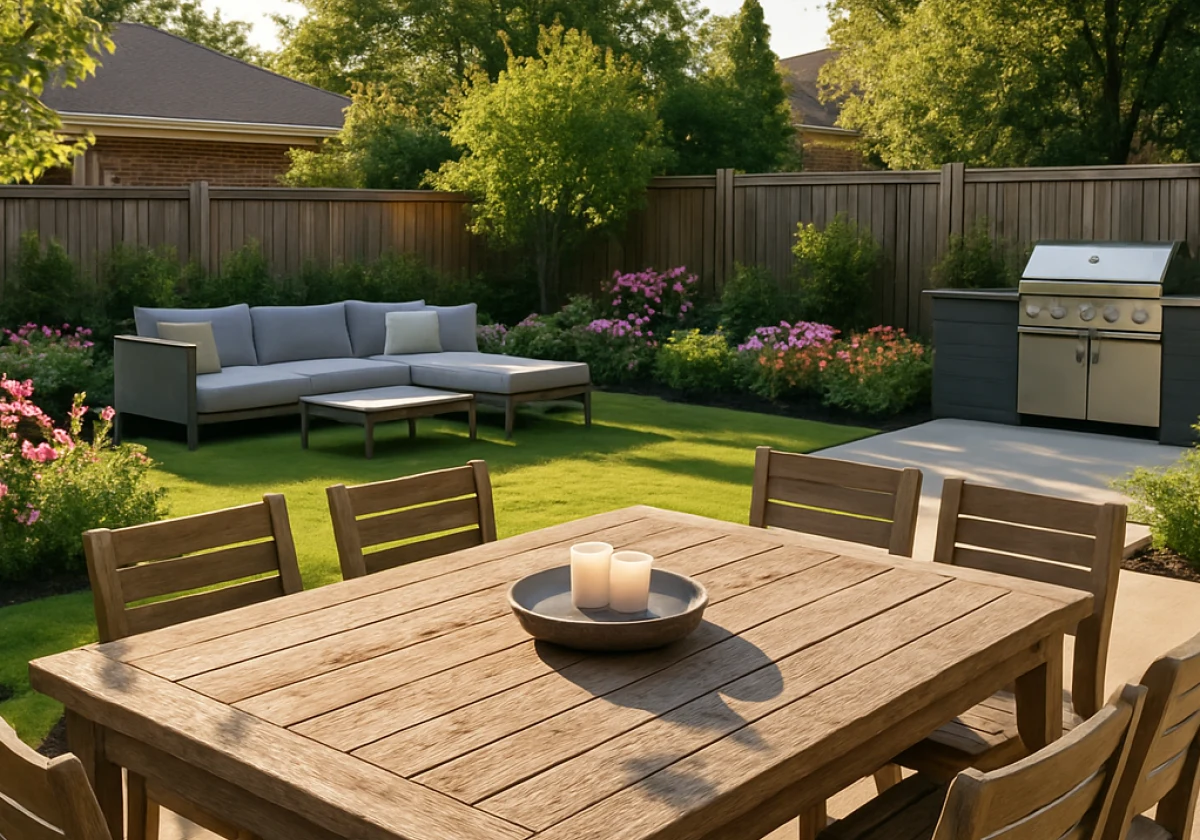
Most outdoor areas sit empty through winter because nobody planned past the summer barbecue. Backyard planning sets where people sit, how they move between zones, and how the space connects back to the house. Three decisions do most of the work, so take them in order.
Mapping Zones for Dining, Relaxing and Outdoor Entertaining
Split your backyard into three jobs first: eating, lounging and cooking. Each one needs a different amount of room. For instance, a table for outdoor dining wants about a metre of clear space on every side, so chairs pull out without anyone hitting a planter.
From there, keep the outdoor seating off the main path to the back door, and park the outdoor kitchen a few steps from the table (plates travel better when the walk is a short one).
Which Patio Furniture Handles Every Season?
Outdoor furniture that handles every season starts with powder-coated aluminium, teak or treated hardwood frames, paired with quick-dry foam cushions.
Those frames shrug off rain and UV without warping or going chalky. Cheap steel rusts from the inside out within two summers.
After fitting out hundreds of backyards, we’d rather you buy one solid dining set than replace a bargain one every second season. Cushions need care too. Slipping them into a deck box when a southerly rolls through buys the fabric a few extra years.
Garden Ideas That Suit Small Yards and Large Backyards
Small gardens reward vertical thinking. Benches along the fence, a narrow bar ledge and planters at head height all free up the floor.
Large backyards have the opposite problem. Furniture floats in the middle, and the place reads like an empty showroom.
We often anchor each zone with an outdoor rug, a pergola, or a small water feature. That layout reads as an extension of your home (both the garden and the house feel more spacious).
What Are the Best Outdoor Weather Solutions for Rain, Wind and Sun?
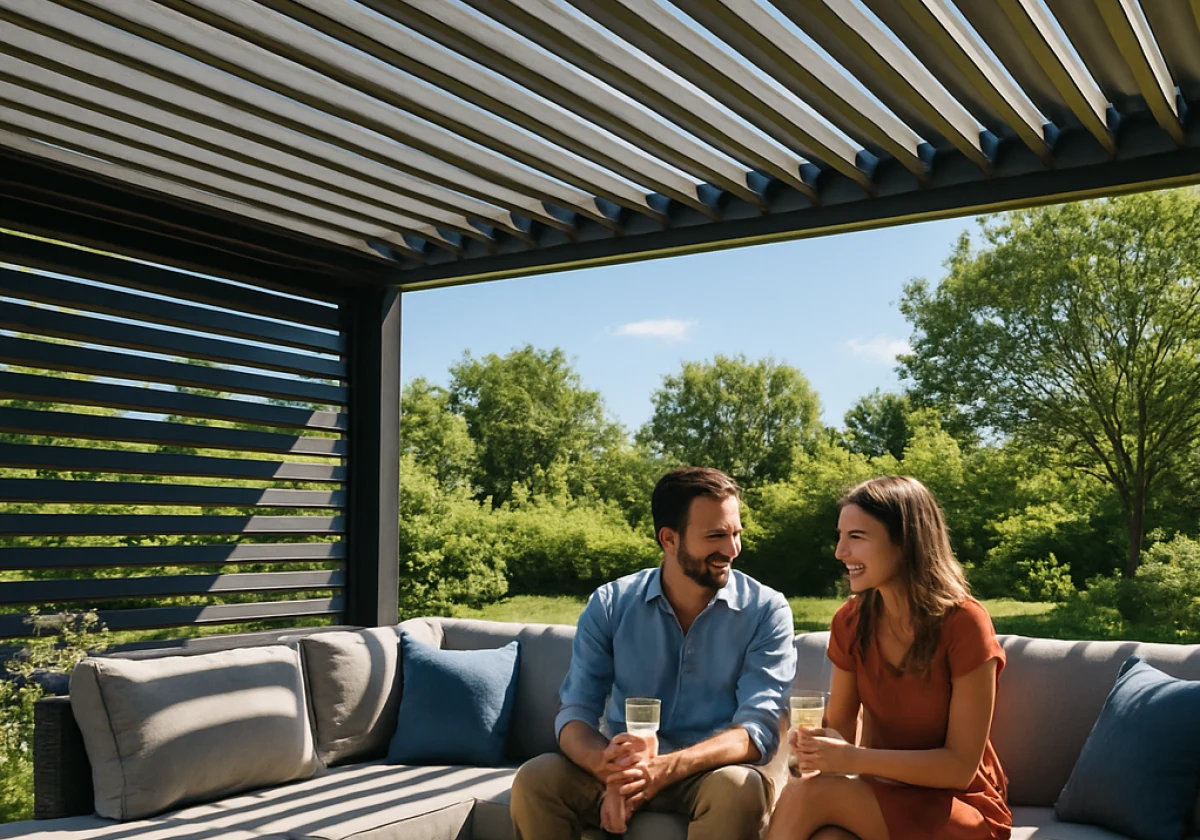
The best outdoor weather solutions are pergolas, awnings and screens that block rain, wind and harsh sun. With the zones settled, shelter decides how many days a year your outdoor area gets used.
Here are four options worth comparing against the local climate averages from the Bureau of Meteorology.
- Louvred Pergola Roofs: Adjustable aluminium blades tilt open for winter sun and close flat against a summer downpour. Motorised versions shut on their own once a rain sensor detects water.
- Retractable Awnings: Fabric arms stretch over a patio in about 30 seconds and roll away before a storm arrives. They suit renters who can’t add a permanent structure.
- Clear Café Blinds: Dropping PVC blinds down two open sides cuts wind chill while keeping the garden view. Clipping each panel into place takes under a minute.
- Shade Sails and Trees: Plant a deciduous tree on the western side. It blocks summer glare and lets winter light reach the patio. A shade sail does the same job faster, usually for a few hundred dollars.
Verdict: A fixed roof beats fabric when one structure has to handle rain, wind and sun. Misting systems can bolt on later if your summers run hot. Work out which direction your worst weather comes from, then position your roof or screens to block it.
Using Heating Solutions and Outdoor Lighting to Create Year-Round Comfort
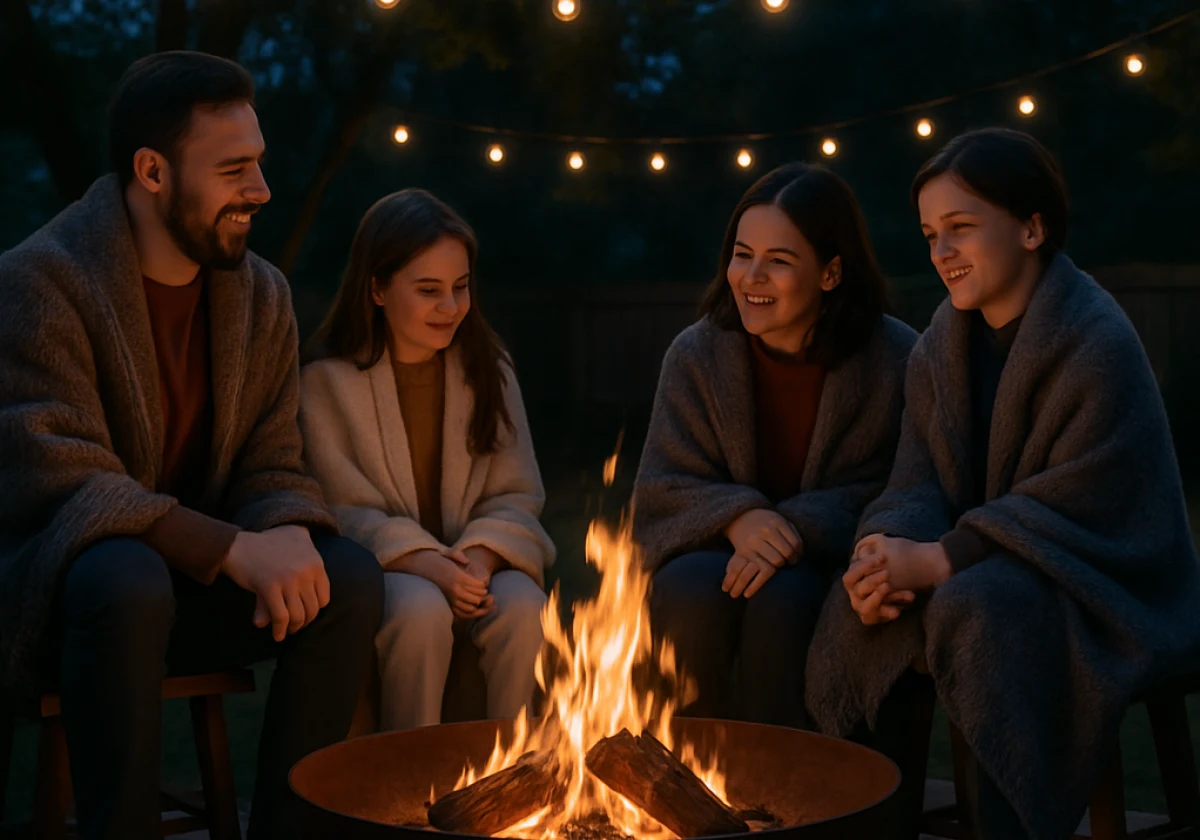
Beyond the structure overhead, the right heaters and warm lighting keep your outdoor room inviting well into cold winter evenings. Heat and light solve different problems. Heat keeps people comfortable, and light gives them a reason to stay past dusk.
Heating and cooling can use up to half of a home’s energy, according to the government’s Your Home guide. Gas mushroom heaters warm a circle about three metres across. That suits a dining table, though much of the heat drifts off into open air. Electric strip heaters under a pergola aim warmth straight down at people. Most cost well under a dollar an hour to run.
On top of that, a wood fire pit gives radiant heat plus something to gather around, though plenty of councils restrict open flames in built-up areas. It also pulls people outside on nights when nobody planned to sit out.
Layered lighting does the rest: string lights overhead, wall lights at face height, and low path lights so nobody misses the step. If you ask us, warm white globes near 2700K do more for the mood than any extra fitting (cool white globes make the yard read like a carpark).
Year-Round Outdoor Living Starts With Weather-Resistant Materials
With shelter and warmth sorted, materials become the last piece. Outdoor finishes face rain, UV, and heat swings that indoor products never see. That applies to patios, decks, and the cushions on top of them.
The right material can make outdoor spaces easier to care for over time. The following table gives a quick comparison to help you choose:
| Material | Best for | Upkeep |
|---|---|---|
| Powder-coated aluminium | Frames, pergolas, chairs | Rinse twice a year |
| Teak | Seating and dining tables | Oil annually or let it grey |
| Composite decking | Floors near pools and spas | Soapy wash, no sealing |
| Natural stone | Patios and garden paths | Seal every three to four years |
| Outdoor fabrics | Cushions and umbrellas | Machine wash the covers |
Each material has its own care needs, so think about how much time you want to spend on upkeep. A little planning now can help you enjoy your outdoor space with less work later.
In short, aluminium and composite cost more upfront, then ask almost nothing of you later, which is what year-round use demands. Your pick should match the weekend upkeep you’ll realistically keep up.
Make Your Garden Area a Place You Enjoy Every Season
A garden area built for every season gives you a second living room that works in July as well as January. Shelter, warmth, light, and tough materials separate a year-round outdoor space from a summer-only one.
Start with one change this month, such as a shade sail or a set of string lights. Each addition makes the next one easier to justify.
Bell Phillips Outdoor designs outdoor living ideas for homeowners across New South Wales. Contact our team to plan your space and enjoy it in every season.