
Outdoor spaces that are designed only for looks instead of daily use often go unused. Because of that, 86% of Australian homeowners update structural elements like decks and pergolas during outdoor renovations.
Poor layout, like long walking distances, awkward traffic flow, and exposure to harsh sun or rain, can quickly turn a well-designed space into a hassle instead of a retreat. When using the space feels inconvenient, even the most attractive features stop getting used.
In this article, we’ll cover how to map your outdoor zones around how you cook, move between your home and yard, and adapt to seasonal weather changes. You’ll see why selecting weather-resistant materials is more effective than matching your interior design style.
So let’s learn how to design an outdoor area that has good use.
Outdoor Functionality: The Foundation of Good Design
Landscape planning begins with mapping out who uses the space and for what activities. You need to account for traffic flow between different zones, how many guests you typically host, and whether kids or pets will be running through.
Also, your exterior structure includes the pathways that connect these areas, not just the decorative elements. When each zone flows naturally into the next, you create a functional space that supports your lifestyle.
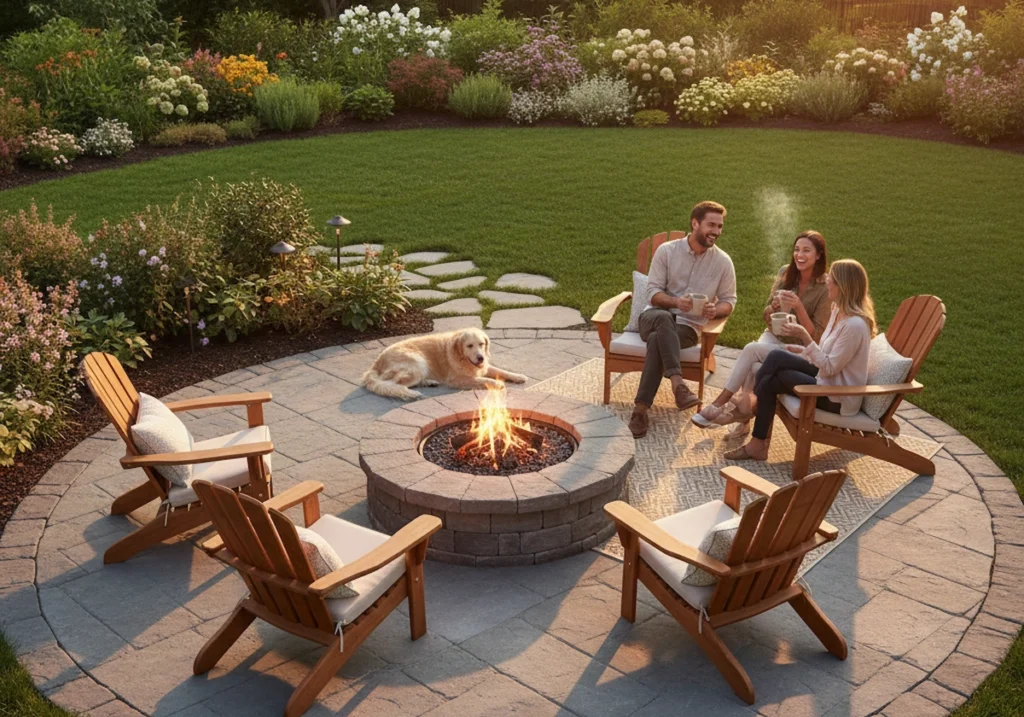
When interior design principles are applied outdoors, it might create beautiful layouts. But what works in your living room isn’t effective for an outdoor area exposed to sun, wind, and rain.
Data shows that 22.5% of homeowners planned landscaping upgrades this year, with 51% focused on improved aesthetics and 37% prioritising entertainment spaces. But that’s the opposite of what you should prioritise.
Functionality has to lead your design, or you’ll end up with an expensive setup that looks great but doesn’t fit how you actually spend time outside. And once you understand that, the next step is breaking your outdoor area into zones that complement each other.
Zoning Your Exterior: Cooking, Dining, and Relaxing Space
Careful planning gives you a layout that fits your lifestyle instead of forcing your habits to match someone else’s design ideas. And breaking your outdoor space into distinct zones creates purpose in each area.
Let’s look at how to position cooking, dining, and relaxation areas so they support your activities.
The Outdoor Kitchen Placement
Through our work across Sydney’s Northern Beaches, we’ve noticed that outdoor kitchens placed near the back door get consistent use, while those placed at garden edges become occasionally used novelties.
Smoke direction is also an important factor to consider. Wind patterns in your yard determine whether cooking smoke drifts toward your dining area or away from it.
Pro Tip: Position your outdoor kitchen within a few metres of your back door for easy access during meal prep. And most functional outdoor kitchens include at least 60cm of pathway space on each side.
Dining Areas That Connect to Cooking Zones
An outdoor dining area functions best when it’s close to the kitchen so that the person cooking can stay part of the conversation. When spacing isn’t considered during planning, everyday moments become awkward and cramped.
Your comfort also depends on allowing enough room for people to move around the table. For instance, chairs should be able to slide out easily, and guests should be able to walk behind seated diners without squeezing through. In practical terms, most dining layouts require at least 90 cm of clearance behind each chair.
While setting up a dining, don’t forget about the shade (especially during Aussie summers). Without protection from the afternoon sun, even a well-designed dining area will be deserted between November and February.
Lounge Spots for Comfort
A space meant for relaxing should feel separate from movement and noise. When seating is placed in the middle of foot traffic, the atmosphere becomes restless.
The long-term use of your lounge also depends on how demanding the setup is to maintain. Any furniture that requires frequent covering or storage will create friction. Over time, that extra effort adds up, and outdoor lounge areas slowly fade out of daily routines despite their initial appeal.
Along with that, heating options can extend your living space usability into cooler seasons instead of limiting outdoor time to summer. Even adding a fire pit or outdoor heater can make an April evening comfortable enough for a few hours outside.
Planning Your Outdoor Space Around Functionality
Now here’s where most outdoor plans fall apart. A lot of homeowners jump straight to picking furniture and materials without mapping out how they’ll actually use the area. That’s why we suggest our clients start by observing their current outdoor habits for a few weeks.
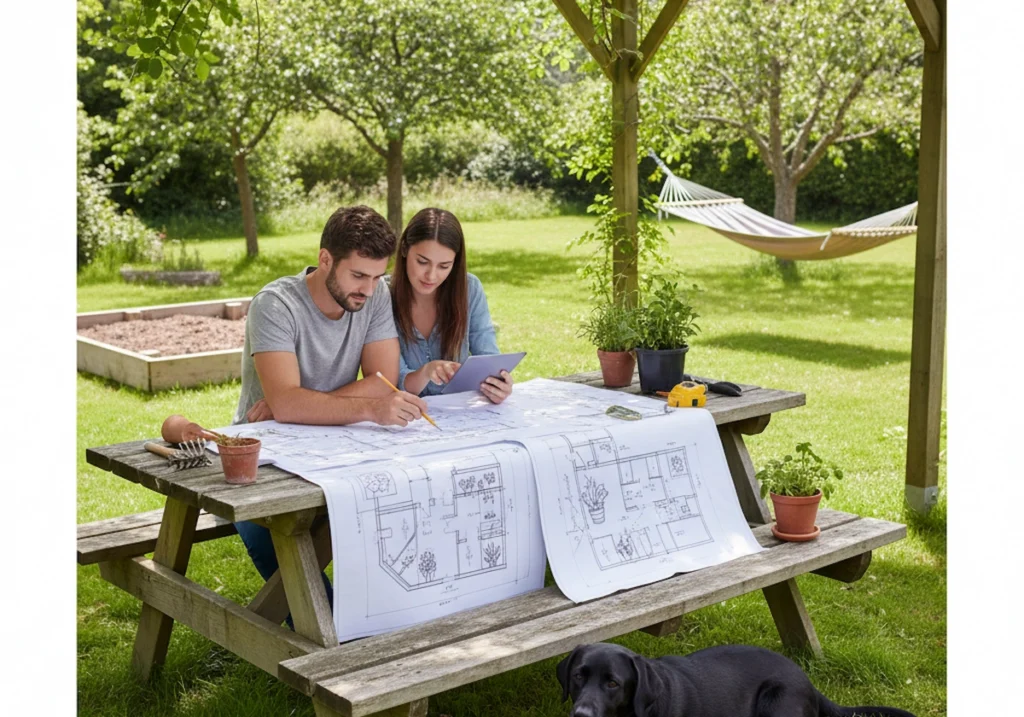
These are some factors you need to consider:
- Guest Counts and Seasonal Patterns: Some usage patterns decide how much space you need for seating areas. Consider counting the number of people who typically gather throughout the year before committing to furniture sizes.
- Storage Solutions: A built-in storage bench or a weatherproof deck box near your seating area keeps everything accessible without daily trips to the garage. So before you bring in expensive furniture pieces, figure out where to store them when the weather gets heavy.
- Natural Traffic Flow: Watch where people naturally walk when moving from your back doors to the garden before positioning your outdoor kitchen or dining area along these paths. It’ll create better flow than fighting against established movement patterns.
- Climate Considerations: Brisbane backyards are used comfortably throughout the year, while Melbourne outdoor spaces often need heating and weather protection. So planning your budget around these climate differences from the start helps avoid designs that only work for a few months each year.
Once these usage patterns are clear, it becomes easier to see what your outdoor space truly needs to support. Then, furniture and material choices follow those needs, based on practical requirements rather than assumptions.
What Interior Designers Get Wrong About Outdoor Furniture
Interior designers often bring indoor sensibilities to outdoor spaces, and that’s where things fall apart. They prioritise style matching and aesthetic coordination without accounting for how Australian weather affects materials over time.
Here’s how to avoid those mistakes.:
Durability Over Visual Appeal
Weather resistance should influence your furniture choices first (long before you think about how they’ll look in photos). After years of outdoor projects in areas like Paddington and Mosman, we’ve seen that materials rated for indoor durability rarely hold up to the Australian sun and coastal humidity.
For example, metal frames corrode, timber warps, and fabrics fade fast when left out in the open. But durable materials hold up to sun, rain, and temperature changes, and keep the space usable instead of being high-maintenance.
In fact, some materials demand weekly cleaning, regular oiling, or protective covers after every use. If you want to avoid that, consider teak and powder-coated aluminium as materials. These need minimal upkeep compared to untreated timber or wicker, which require constant attention to prevent damage.
Movement And Spacing
Interior designers often arrange outdoor furniture with the same tight spacing that works in a living room, but outdoor entertaining involves more movement. You need room for people carrying plates and drinks to move around comfortably without turning sideways or bumping into furniture pieces.
Outdoor spaces also need clear, intuitive pathways between zones like the kitchen, dining, and seating areas. That way, circulation feels natural, guests move through the space easily, and gatherings feel relaxed rather than crowded. It also reduces bottlenecks and makes the area safer and more enjoyable for everyone.
Material Choices For Coastal Areas
Salt air destroys certain materials within months. But stainless steel hardware, marine-grade fabrics, and composite materials can withstand coastal conditions that would ruin standard outdoor furniture.
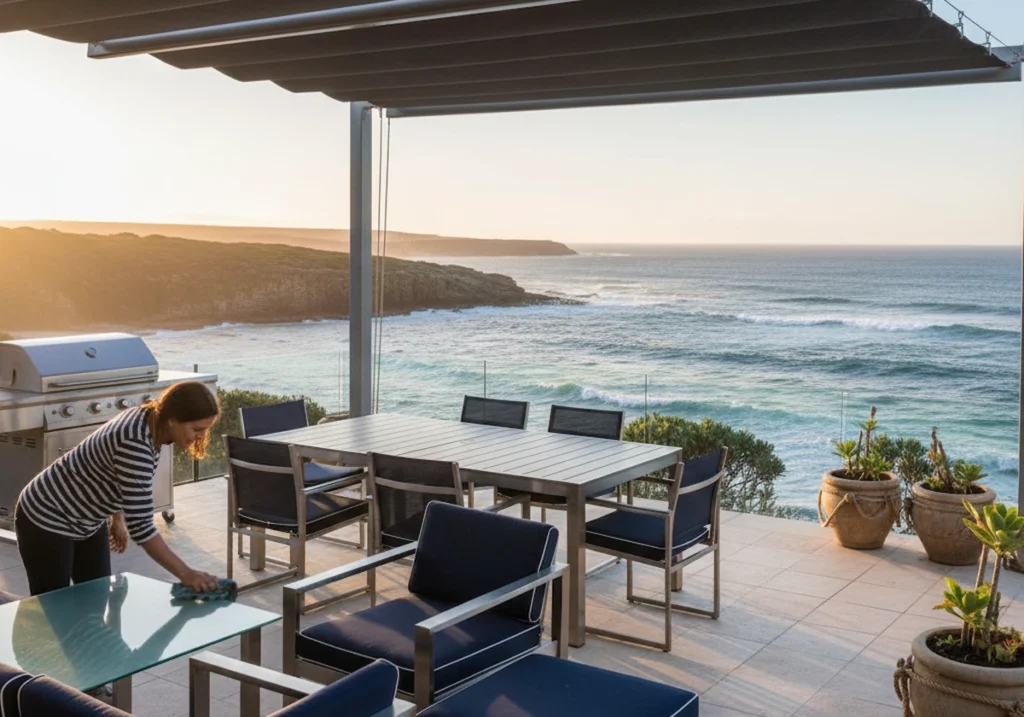
If you’re anywhere near the ocean, from Manly to Coogee, we suggest you factor this into every material decision. It’s important to secure lightweight items to prevent damage or loss during storms.
Pro Tip: Regular cleaning to remove salt buildup can help extend the life of your materials and keep your outdoor space looking its best.
Design for Your Lifestyle, Not Just for Photos
Exterior functionality influences outdoor spaces that genuinely enhance your lifestyle instead of sitting empty most of the year. When you plan around your activities, traffic flow, and seasonal use, decoration becomes the finishing touch rather than the foundation.
The most functional outdoor areas balance personal style with practical needs. It has comfortable furniture, well-placed cooking zones, and dining areas that keep everyone connected. Your outdoor space should upgrade how you use your home.
If you’re ready to create an outdoor area with function-first design, our team at Bell Phillips Outdoor specialises in building beautiful, liveable exteriors across Australian homes. Visit us to build spaces that match your lifestyle.