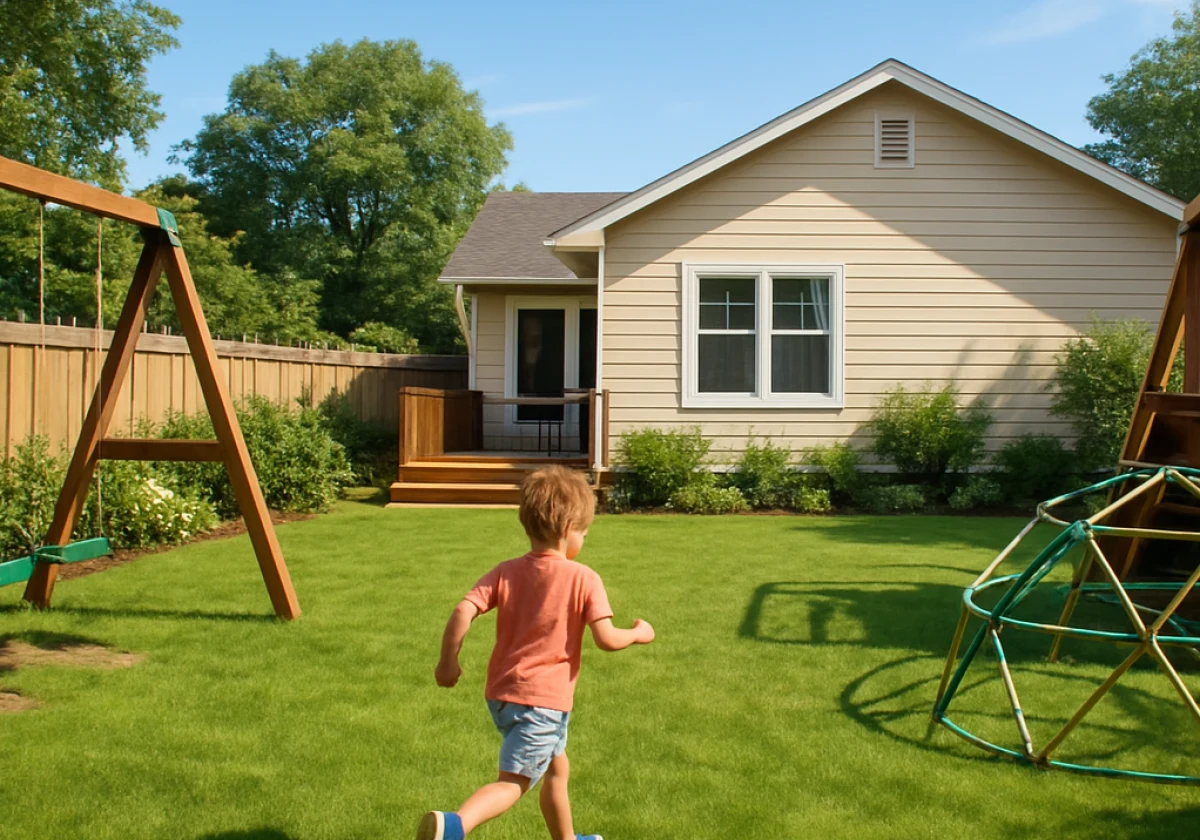
Planning a backyard adventure zone means matching play equipment, water play, and quiet corners to your children’s ages. A four-year-old wants a low slide and loose sand. At the same time, a nine-year-old wants height, speed, and something hard to climb.
That gap is where most plans come unstuck, because one large structure rarely suits every kid in the house. At Bell Phillips Outdoor, we see backyards work best when you split outdoor spaces into zones instead of building one giant centrepiece.
This guide covers equipment choices, small yard ideas, water play and practical ways to stay within your budget. Grab a tape measure and let’s begin.
Choosing Outdoor Play Equipment to Suit Your Backyard Play Area
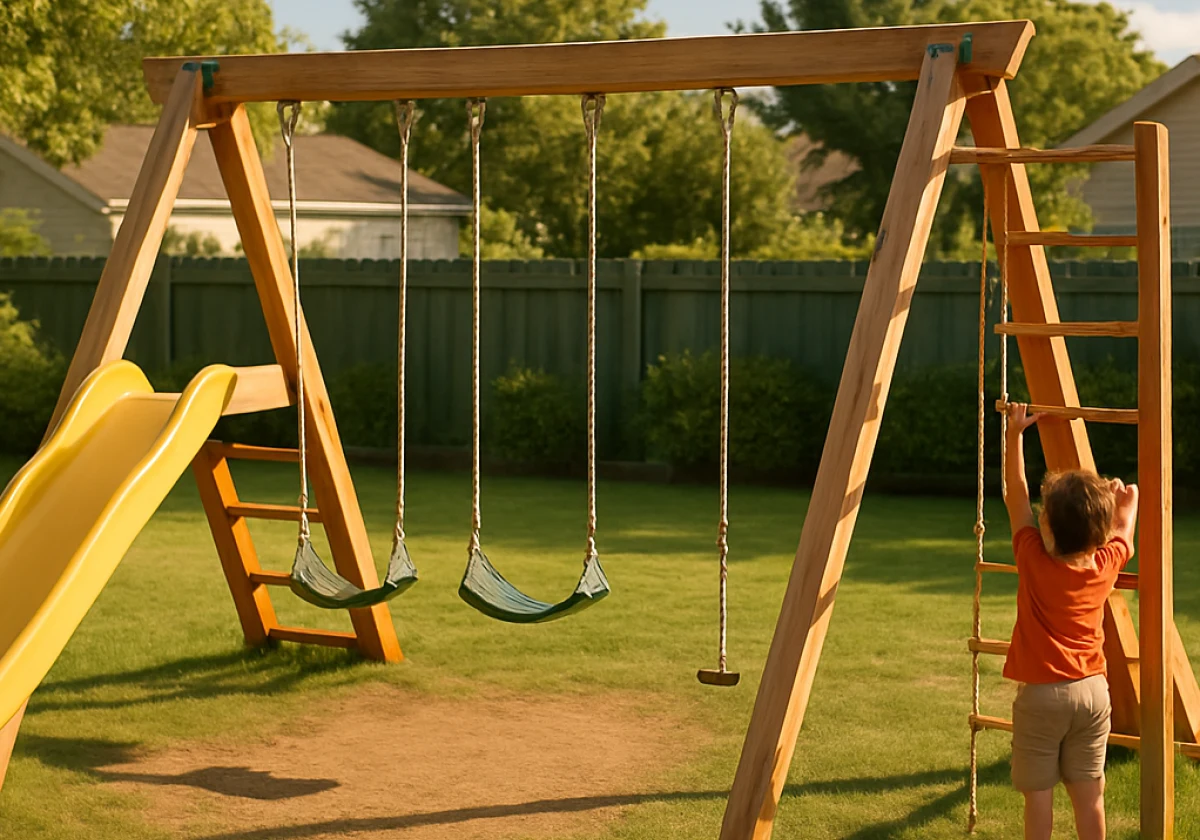
Most families buy a play set first and only later realise half the yard has gone. Measuring the footprint, including the safety zone around swings, saves you from a cramped backyard play area and an unhappy mower.
Explore the three equipment groups below to see what suits each age group before you decide what to buy.
Swing Sets, Slides and Monkey Bars for Active Play
A timber swing set with two seats and a slide suits active play for ages three to 10. It covers a wider age range than most single structures. Hang a rope swing or an old tyre swing from a healthy branch, and you get a second seat for the price of rope.
Monkey bars build grip strength and shoulder control, and most kids manage a full crossing around age seven (our own two took a whole summer to get there). Keep soft ground under every frame, since Kidsafe Australia treats the surface under play gear as one of the main guards against broken bones.
So set the slide on the shady side. Dark plastic in a New South Wales summer gets hot enough to end play for the whole afternoon.
Climbing Walls and Balance Beams for Confident Kids
Once your kids can cross the monkey bars, a climbing wall gives them the next step up without a whole new play structure. We’ve fitted angled grips to plenty of backyard play frames, and a 1.2 metre panel with staggered holds suits most six- to ten-year-olds.
In general, children need 60 minutes a day of moderate to vigorous movement, and a climbing frame in the yard covers a decent slice of that. Beyond the frame, a balance beam cut from a 200 mm timber sleeper costs very little. It sharpens the gross motor skills that climbing walls alone tend to miss.
Sandpits and Mud Kitchens for Sensory Play and Pretend Play
Quieter corners deserve a spot too, and a sandpit with a hinged lid keeps neighbourhood cats and overnight rain out. Put a tub of sand and water beside it and the youngest kids stay busy for an hour.
Alongside it, a mud kitchen made from an old bedside table, a steel bowl and a spare tap handle pulls in imaginative play for years. You can even add a DIY playhouse from leftover fence palings, and the cooking gets a roof over it.
The cheapest corner of the yard often holds attention the longest, which surprises almost every parent we talk to about play spaces.
What Backyard Play Area Ideas Work for a Small Yard?
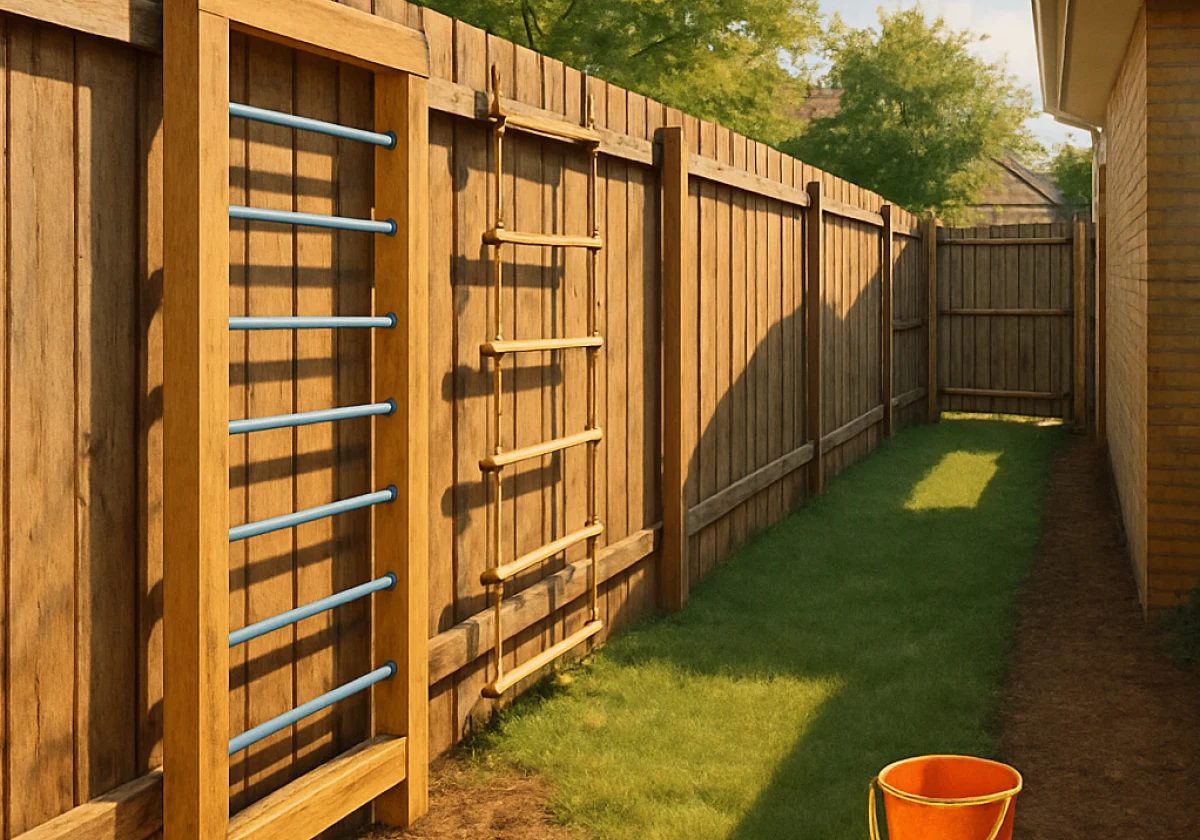
Vertical play features win in a small backyard: climbing frames, rope ladders and compact swing sets. Going up instead of out frees the ground for a lawn strip that still fits a backyard cricket game.
If your yard measures under ten metres wide, consider these three space-saving options:
Vertical Climbing Frames: With stacked platforms, children can enjoy several play levels without taking up much ground space. A compact frame also leaves room for other outdoor games.
Fence-Line Rope Ladders: Along the fence line, a securely installed rope ladder can keep the middle of your yard clear. Children still have space to run around or kick a footy.
Foldaway Water Tables: For smaller patios, a water table with wheels or folding legs offers a practical option. You can store it in the shed when children finish playing.
Before choosing any equipment, measure your available space and check the manufacturer’s safety clearance requirements. Climbing frames and swings need enough room around them for children to play safely.
You should also consider how easily you can supervise each play area. With a little planning, even a narrow backyard can offer plenty of room for active play.
Pro Tip: Measure your clear lawn first, then subtract a metre on every side of anything you plan to install. Small yards reward one well-chosen feature, and a tidy kids outdoor space always beats three crowded ones.
Water Play Ideas: Sensory Fun for a Small Outdoor Play Area
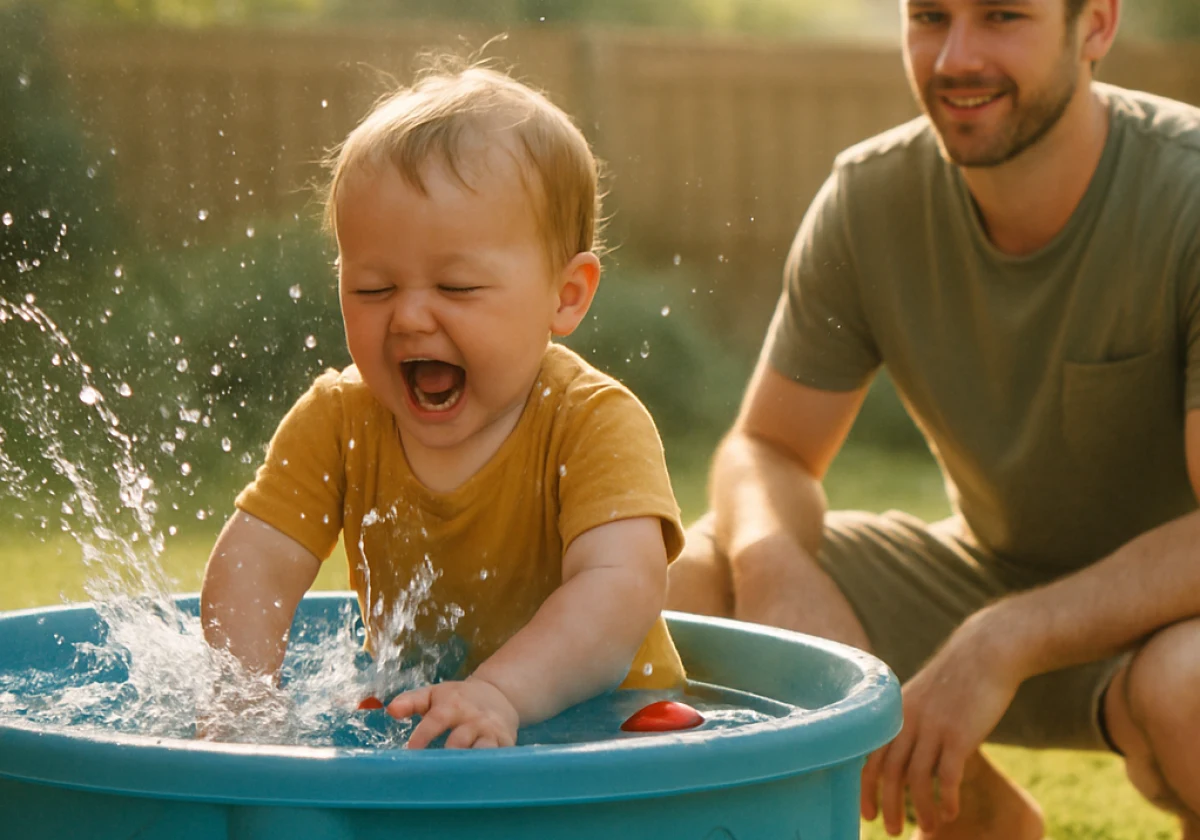
The best part about water play is that a hose, buckets, and a water table keep kids busy for hours. Water play is one of the cheapest outdoor activities for families, and kids want it once the temperature passes 25°C.
Match the setup to their age, and the splashing stays easy to supervise. This quick comparison sorts three setups by age, cost, and the attention each one needs:
| Water Setup | Best For | Rough Cost | Supervision |
|---|---|---|---|
| Water table | Ages 1 to 4 | $40 to $90 | Close, within arm’s reach |
| Hose and bucket station | Ages 3 to 8 | Under $20 | Occasional check-in |
| Inflatable water slide | Ages 5 and up | $80 to $200 | Constant while in use |
Your choice should also depend on how much space you have and how your child likes to play. A water table suits younger children, while older kids may enjoy a slide or simple water games.
Whichever option you choose, stay close and supervise children throughout water play. Empty buckets and water tables after use, and follow the manufacturer’s safety instructions.
You Can Create a DIY Backyard Playground on a Tight Budget
Now that the fun features are sorted, let’s look at keeping the whole project affordable. Play sets cost far less than the catalogues suggest, because most of the price sits in the frame. Build that frame from treated pine and buy only the swing seats, chains and slide.
Secondhand gear closes the rest of the gap, since families outgrow play sets fast and sell them cheap. Check marketplace listings in spring, when people clear the yard before summer.
Carry a spanner and test every bolt on used playground equipment before you hand over cash. Rust where the chains meet the frame is the one fault worth walking away from.
Besides the structure, free materials carry a surprising share of the design. You can create an outdoor zone for the price of a few bolts. Tree stumps from a council clean-up become stepping logs. Offcuts from Bunnings become a chalkboard panel, and plenty of family garden ideas cost nothing at all.
If you want to go further, even a DIY treehouse comes together from pallet boards and a box of coach screws. We’ve built swing frames and stepping logs from scrap timber that outlasted the shop-bought set beside them (those stumps are still in the yard today).
Start Planning Outdoor Activities for Families This Weekend
Good kids’ outdoor play starts with matching each play zone to the children’s ages. Start with the gear your kids will use this year and leave room for whatever comes next.
Measure the yard this weekend, mark the zones out with string, and build the simplest feature first. Momentum beats a perfect plan, and your children will tell you fast what they want added.
Bell Phillips Outdoor shares outdoor living plans and play ideas for Australian families. Contact us for help planning your own adventure zone, or leave your email address for new guides.