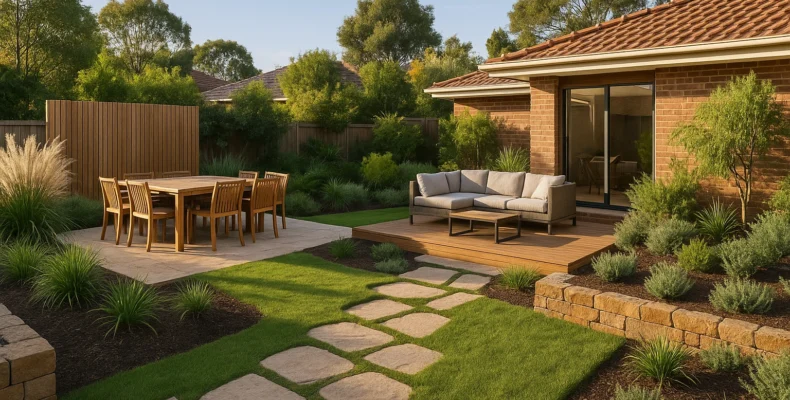
Ever looked at your outdoor space and felt like something’s off? Maybe the garden looks nice enough, but it doesn’t quite connect with your home’s exterior. Or the landscape feels a bit random, like you’ve added bits and pieces over time without a clear plan.
You might be wondering if achieving that polished look means hiring expensive designers. Good news: it doesn’t. A few thoughtful choices about materials, plants, and layout can pull everything together beautifully.
In this article, we’ll walk you through the essentials of outdoor design harmony. You’ll learn how to create a cohesive space that feels intentional and complete, from your front door right through to the back garden.
What Creates Harmony in Outdoor Design?
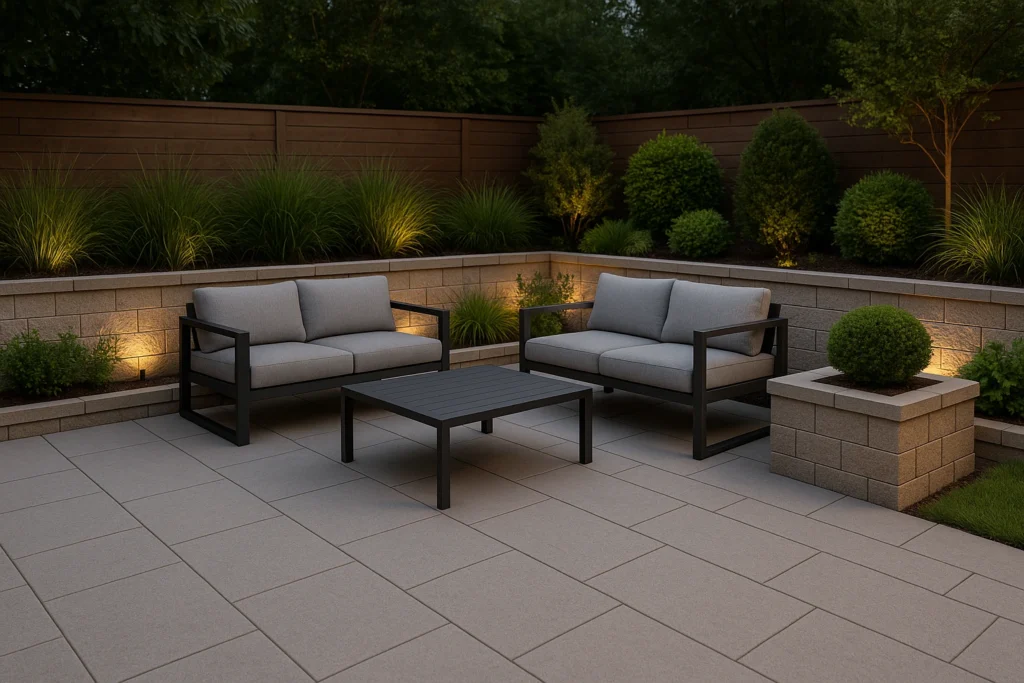
Outdoor design harmony happens when unity and variety work together to create a cohesive, pleasing space. Get the balance right, and your garden feels intentional. Get it wrong, and things look boring or chaotic.
Unity Without Going Matchy-Matchy
Unity means keeping a consistent thread throughout your landscape design. This could be repeating certain materials, sticking with a colour palette, or using similar styles across different areas of your garden.
The problem is that repeating the same material everywhere creates a flat, uninspired look. Take an all-brick setup: brick home, brick pathways, brick columns, brick garden edges. It’s too much of the same thing.
Instead, use one dominant element with subtle variations to keep spaces cohesive without feeling repetitive. Think natural stone pathways paired with similar-toned pavers for your seating area, not identical stone covering every surface. This approach creates harmony while still giving each part of your garden its own identity.
Adding Variety for Visual Interest
Unity keeps things cohesive, but variety makes your outdoor space actually interesting to look at. Without it, even a well-planned garden can feel dull. Imagine a deck made entirely from smooth timber with matching screens and planter boxes. It looks flat and monotonous, right?
Mix things up instead. Use reclaimed wood for your decking and pair it with natural stone retaining walls. Suddenly, your outdoor space has depth and character. Materials complement each other rather than compete for attention.
Plants work the same way. A mix of low groundcovers, mid-height shrubs, and taller feature plants gives your garden visual rhythm. Native plants work well here because they offer variety in texture and form while still looking cohesive.
The balance comes when variety stays within your chosen style. Stick to natural materials, limit your colour palette, or maintain a consistent design approach to keep your outdoor space cohesive and harmonious.
Indoor Meets Outdoor: Making the Connection Seamless
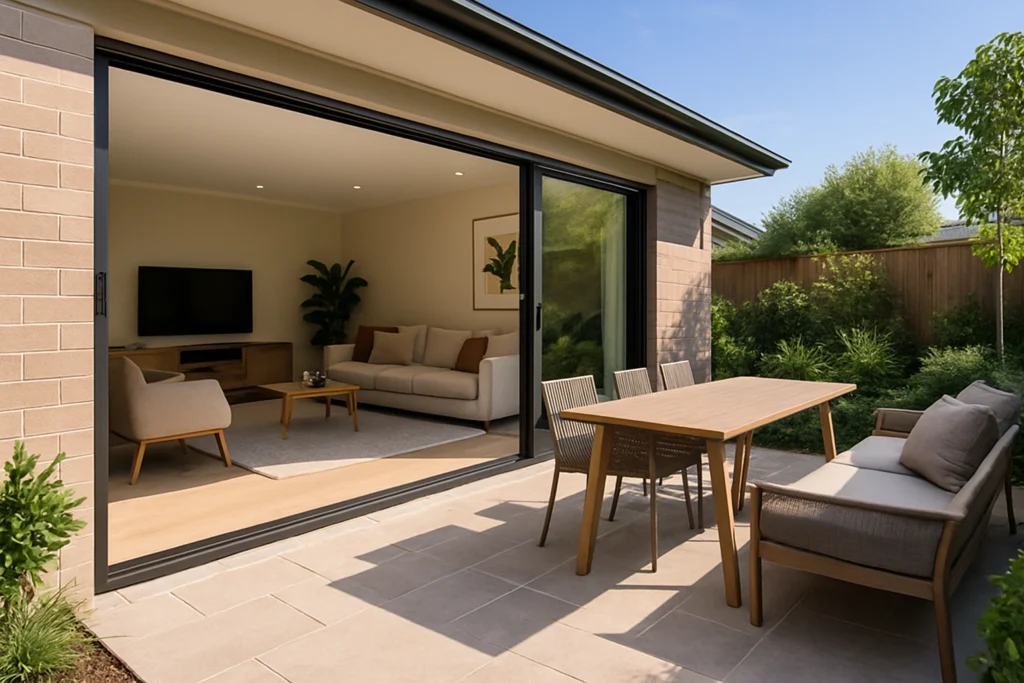
Connecting your indoor and outdoor spaces makes your home feel significantly bigger without adding square metres. The transition between these areas determines whether it feels smooth or awkward, so getting it right is worth the effort.
Extending your interior colour palette outside is the simplest way to create flow. If your living room has soft greys and whites, carry those tones into your outdoor furniture and planters. This approach makes moving from one space to the other feel natural rather than jarring.
Similar flooring materials near doorways work the same way. Polished concrete inside that flows to a concrete patio outside creates visual continuity. Pair this with large windows or sliding glass doors, and your garden starts feeling like another room of the house rather than a separate space you walk out to.
The goal is to make indoor and outdoor living feel like one cohesive experience, not two separate areas that happen to be connected by a door.
Materials and Colour Schemes That Work Together
What if your deck, pathway, and garden beds all looked like they were meant to be together? In our experience with Sydney gardens, a limited material palette usually creates this effect. Choosing two or three main materials and sticking with them keeps your landscape cohesive.
- Neutral Foundations: Start with earthy tones like sandstone beige, charcoal grey, and soft greens as your base. Add one or two accent colours to prevent your garden from feeling flat. This approach creates a calm backdrop that lets your plants stand out.
- Natural Pairings: Stone and timber create an exterior that feels grounded and timeless. The contrast between rough natural stone and smooth wood adds visual interest without the elements competing for attention.
- Colour Limits: Stick to three main tones across your entire outdoor space. This doesn’t mean everything looks identical, just that there’s a unifying thread running through your landscape.
- Consistent Details: If you’ve chosen modern black hardware for your outdoor furniture, carry that through to lighting fixtures and gate handles.
When everything clicks into place with your material choices, the whole garden feels intentional rather than thrown together over time.
Choosing Plants for a Cohesive Garden
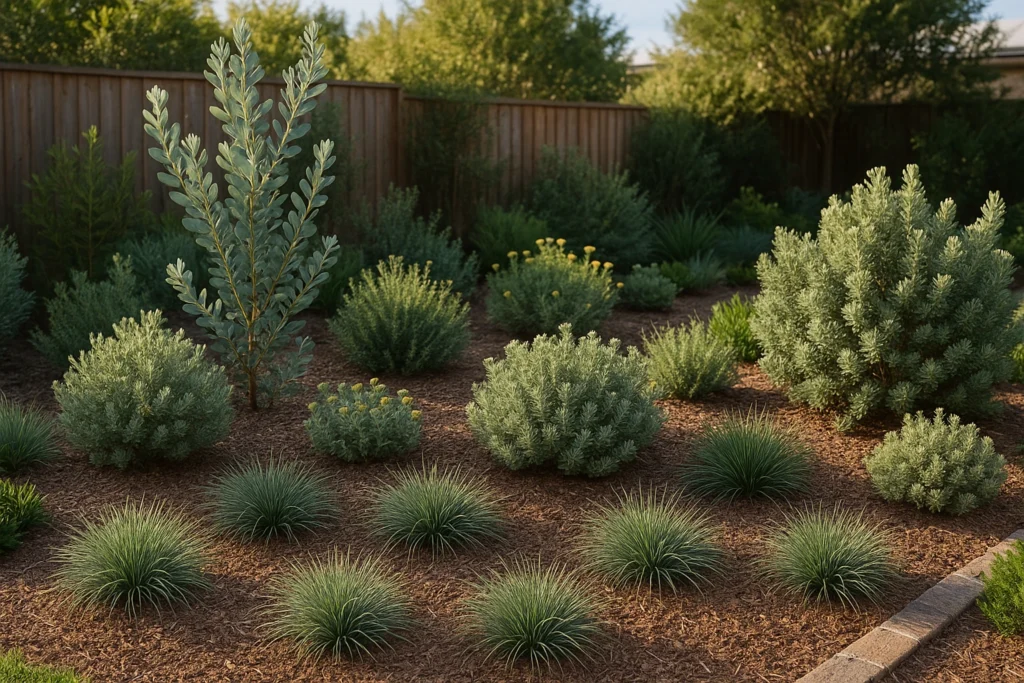
Native plants make creating a cohesive garden almost effortless because they naturally suit the landscape. They’re adapted to your local climate and soil conditions, so you’re not fighting against nature to keep them alive.
Instead of scattering random species throughout your garden, try repeating the same plants in groups of three or five. This creates visual rhythm and ties different areas together without looking forced or overly planned.
The real advantage comes when you mix different textures and heights while staying within one colour family. A coastal garden in Manly might feature lomandra, coastal rosemary, and native grasses. They all share those silvery-green tones that look like they belong together.
The bonus? These plants need far less water once they’re established, which also happens to keep your water bills reasonable. They’ll also attract local wildlife, so your garden feels alive and connected to the surrounding landscape.
Functional Zones That Actually Get Used
Now that you’ve got the visual side sorted, let’s talk about making your outdoor space actually work for you. From what we’ve noticed across Northern Beaches properties, the gardens that get used most have clear zones for different activities.
- Dining Areas: This is where you’ll take meals outside, from a quick breakfast to a full Sunday lunch. Position it somewhere protected from the afternoon sun, and add lighting overhead so you can stay after dark. A fire pit nearby extends the season into cooler months.
- Lounging Spots: If you spend time reading or just relaxing outside, you need comfortable outdoor furniture in a separate area from your dining space. A deck with cushioned seating or a shaded corner with a bench works well for most gardens.
- Clear Pathways: You don’t want people cutting across garden beds to get from one zone to another, so connect each area with defined paths. These keep the space flowing while still defining each zone.
Too often, we see outdoor dining areas that rarely see the light of day because they’re poorly positioned or lack proper lighting. Make sure each zone relates visually through consistent materials or plantings so everything still feels connected.
How Outdoor Design Harmony Lifts Property Value
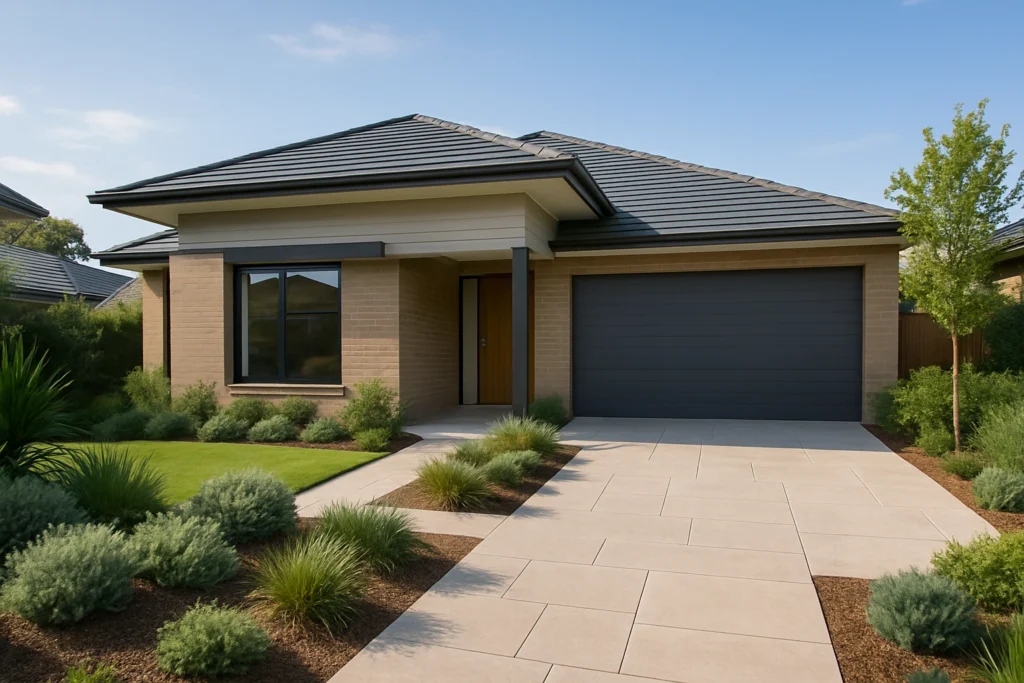
According to research from Virginia Tech, well-designed landscaping can increase a home’s perceived value by 5.5 to over 10%. In other words, the right improvements often pay for themselves when it’s time to sell.
A well-planned landscape also suggests the home has been looked after. Buyers notice when a garden feels intentional rather than neglected or randomly assembled. It signals that the rest of the property has likely been given the same level of care.
That’s not all. In our experience, homes with strong outdoor design harmony tend to draw more interest and sell faster. Part of what makes them so appealing is features like pergolas or built-in seating, which add usable space that buyers can immediately picture themselves enjoying.
When everything from the exterior finishes to the garden beds looks cohesive, it creates a strong first impression that carries through the entire inspection.
Create a Harmonious Outdoor Space You’ll Love
Outdoor design falls apart when elements don’t connect. Mismatched materials create visual chaos, random plant choices lack cohesion, and poorly planned areas sit empty. The good news? A handful of design principles can solve these problems without requiring a complete overhaul or a huge budget.
This guide covered how to choose materials that work together, select plants suited to your climate, use colour and texture strategically, and design functional zones you’ll actually use. Apply these basics, and your outdoor space feels intentional and cohesive.
Start with one area and build from there. And if you need help choosing materials or plants for your specific garden, get in touch, and we’ll point you in the right direction.